Answers to Common Sealcoating Questions
Sealcoating is one of the most effective ways to protect asphalt driveways, parking lots, private roads, and commercial pavement from sun exposure, water damage, oil stains, oxidation, and long-term wear. Below, Action Paving, LLC answers common questions about sealcoating, pavement protection, cost, timing, maintenance, and long-term asphalt care.
General Sealcoating Questions
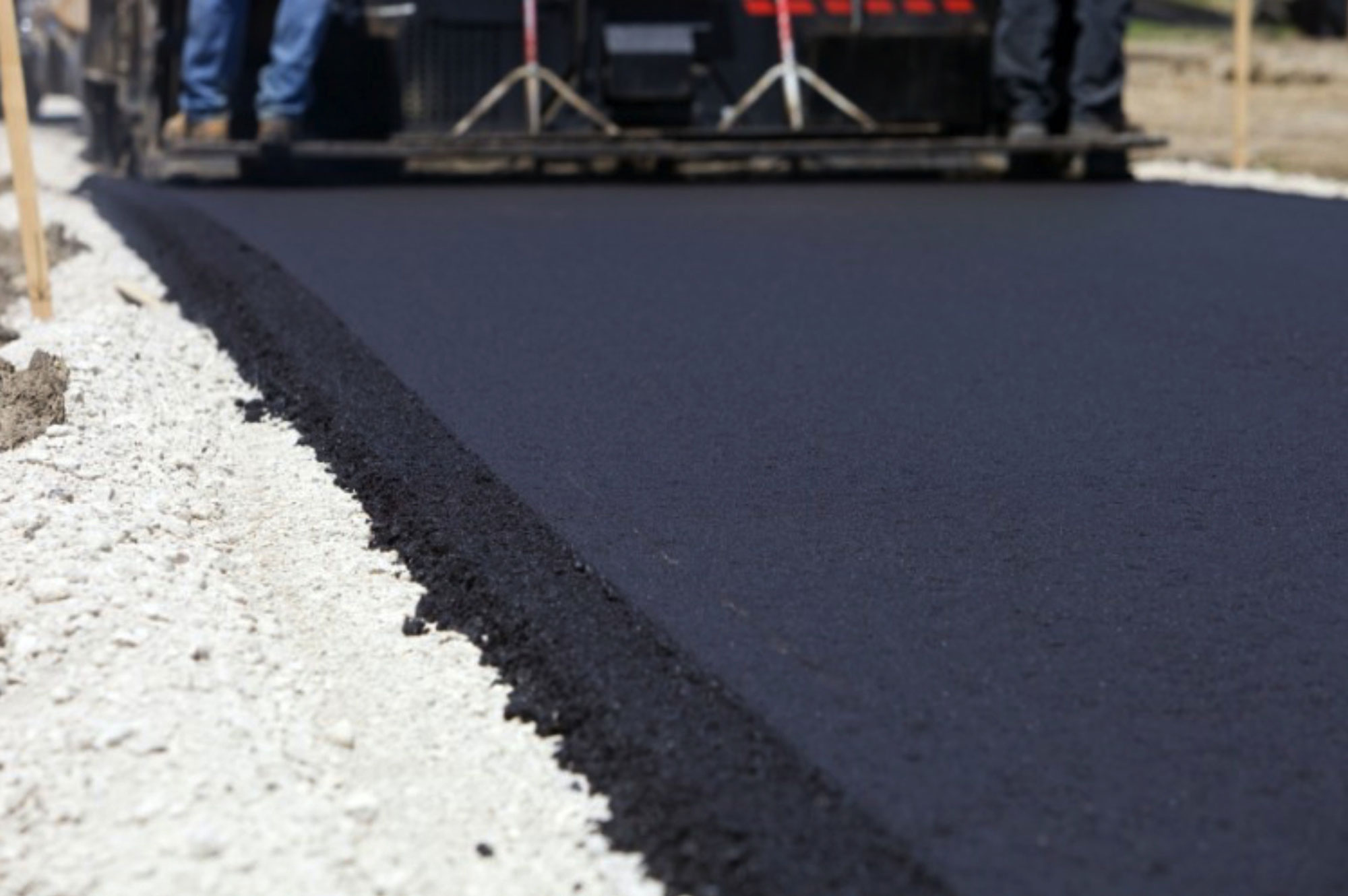
Sealcoating is the process of applying a protective coating over asphalt pavement. This coating creates a barrier between the asphalt surface and damaging elements such as sunlight, water, vehicle fluids, oxidation, and weather exposure.
Sealcoating helps slow asphalt deterioration before major damage begins. It protects the pavement surface, helps reduce cracking and erosion, improves appearance, and can extend the life of asphalt driveways, parking lots, and private roads.
Asphalt contains stone, sand, and binder. Over time, sunlight, oxygen, water, and chemicals break down the binder, causing the pavement to become brittle. Sealcoating forms a protective surface layer that helps block UV rays, repel water, resist oil and gas spills, and slow oxidation.
No. Sealcoating is a preventative maintenance service, so it is often most valuable before asphalt becomes severely damaged. It helps preserve pavement that is still in good condition and can delay the need for more expensive repairs later.
Driveways, Parking Lots, and Private Roads
Yes. Residential asphalt driveways benefit from sealcoating because it helps protect against sun exposure, rain, vehicle fluids, fading, and everyday wear. It also restores a clean, dark appearance that improves curb appeal.
Yes. Commercial parking lots are a strong candidate for sealcoating because they experience frequent vehicle traffic, oil drips, weather exposure, and customer visibility. Routine sealcoating helps maintain a professional appearance while reducing long-term pavement deterioration.
Yes. Private roads can be sealcoated to protect the asphalt surface from water, sunlight, traffic wear, and temperature changes. This can help preserve the road surface and reduce future maintenance needs.
Yes. Sealcoating restores a darker, cleaner asphalt appearance, which can make driveways, parking lots, and paved surfaces look newer and better maintained. For businesses, this can improve first impressions for customers and visitors.
Protection and Long-Term Benefits
The main long-term benefit of sealcoating is extended pavement life. By reducing exposure to water, sunlight, oxidation, and chemicals, sealcoating helps slow the aging process and can reduce the need for major repairs or full asphalt replacement.
Sealcoating can help reduce the likelihood of potholes by slowing water penetration and surface deterioration. However, it cannot completely prevent potholes, especially if the asphalt already has cracks, base problems, or drainage issues.
Asphalt fades because UV rays and oxidation break down the asphalt binder. As the binder weakens, the surface loses its dark color and becomes more brittle. Sealcoating helps slow this process and preserve the black appearance of the pavement.
Yes. Maintaining asphalt through sealcoating can extend pavement life and reduce the need for early replacement. This helps reduce material waste, construction debris, and the environmental impact associated with removing and replacing asphalt surfaces.
Cracks, Repairs, and Surface Condition
No. Sealcoating protects asphalt, but it does not repair structural damage. Cracks should be filled or repaired before sealcoating is applied so the finished surface has the best chance of lasting.
Yes. Potholes and damaged asphalt areas should be repaired before sealcoating. Sealcoat is a protective coating, not a patching material, so damaged areas need proper repair before the protective layer is applied.
Preparation may include cleaning the asphalt surface, removing loose debris, treating oil spots, filling cracks, repairing damaged areas, and making sure the pavement is dry. Proper preparation is one of the most important factors in how well the sealcoat performs.
It depends on the condition of the pavement. If the asphalt has widespread cracking, potholes, base failure, or severe deterioration, repairs or replacement may be needed before sealcoating makes sense. Action Paving, LLC can evaluate the surface and recommend the right approach.
Timing, Drying, and Weather
Most asphalt surfaces benefit from sealcoating every two to three years. The best schedule depends on pavement age, traffic volume, weather exposure, drainage, and how well the asphalt has been maintained.
Most sealcoating applications dry within 24 to 48 hours. Temperature, humidity, sunlight, shade, and weather conditions can affect curing time, so it is important to follow the contractor’s instructions before reopening the surface to traffic.
Warm, dry weather provides the best conditions for sealcoating. Moderate temperatures, dry pavement, and no immediate rain in the forecast allow the coating to cure properly and perform as intended.
No. New asphalt usually needs several months to cure before sealcoating. Waiting allows oils in the pavement to evaporate and the asphalt to stabilize so the sealcoat can bond properly.
Cost and Planning
Sealcoating cost depends on the size of the area, the condition of the asphalt, preparation needs, crack filling, repairs, accessibility, layout complexity, and the amount of material and labor required. Larger surfaces often have a lower per-square-foot cost, but every project is different.
Yes. Sealcoating is one of the most cost-effective forms of asphalt maintenance because it helps prevent damage, delays larger repairs, improves appearance, and extends pavement life. Routine maintenance is usually far less expensive than major asphalt restoration or replacement.
When properly applied by professionals, sealcoating should not create unsafe driving conditions. The surface is designed to retain proper traction while gaining protection from water, sunlight, oxidation, and vehicle fluids.
Yes. Action Paving, LLC provides free estimates for sealcoating services. A professional evaluation allows the team to review the condition of your asphalt, explain any recommended preparation or repairs, and provide clear pricing before work begins.
Professional Sealcoating and Maintenance
Professional sealcoating provides better preparation, commercial-grade materials, proper application rates, and improved long-term results. Professionals understand weather requirements, curing conditions, and surface preparation, which all affect how well the sealcoat protects the pavement.
The best way to maximize asphalt lifespan is to keep the surface clean, sealcoat regularly, repair cracks quickly, manage drainage, avoid prolonged chemical exposure, and schedule professional inspections when needed. Preventative care helps reduce long-term maintenance costs.
Action Paving, LLC brings more than 30 years of paving and sealcoating experience to residential and commercial projects in White Hill, Arkansas, and surrounding areas. The team provides quality workmanship, dependable service, and sealcoating solutions designed to protect asphalt investments.